India, a place of enormous variety, is both fascinating and challenging. From the snow-covered Himalayan heights to the tropical coast of Kerala, India, vast stretches of language, culture, and religion create a mosaic. Major advances in philosophy, science, and art typify its legacy that spans thousands of years. Examining India’s history, geography, culture, economy, and more, this blog investigates why this country is a land of wonders.
1. One’s View of India’s Past
Ancient India: Centre of Civilisation
Beginning with the Indus Valley Civilisation, which flourished circa 2500 BCE in what is now western India and Pakistan, India’s history of advanced urban planning with elements like drainage systems and well-organised cities like Mohenjo-Daro and Harappa was a hallmark of this society.
Golden Period
Under Emperor Ashoka, the Mauryan Empire (321–185 BCE) fostered Buddhism and brought governmental unity. With developments in mathematics (the idea of zero), astronomy, and literature, the next Gupta period—circa 320–550 CE—marked a Golden Age.
Mediaeval Age
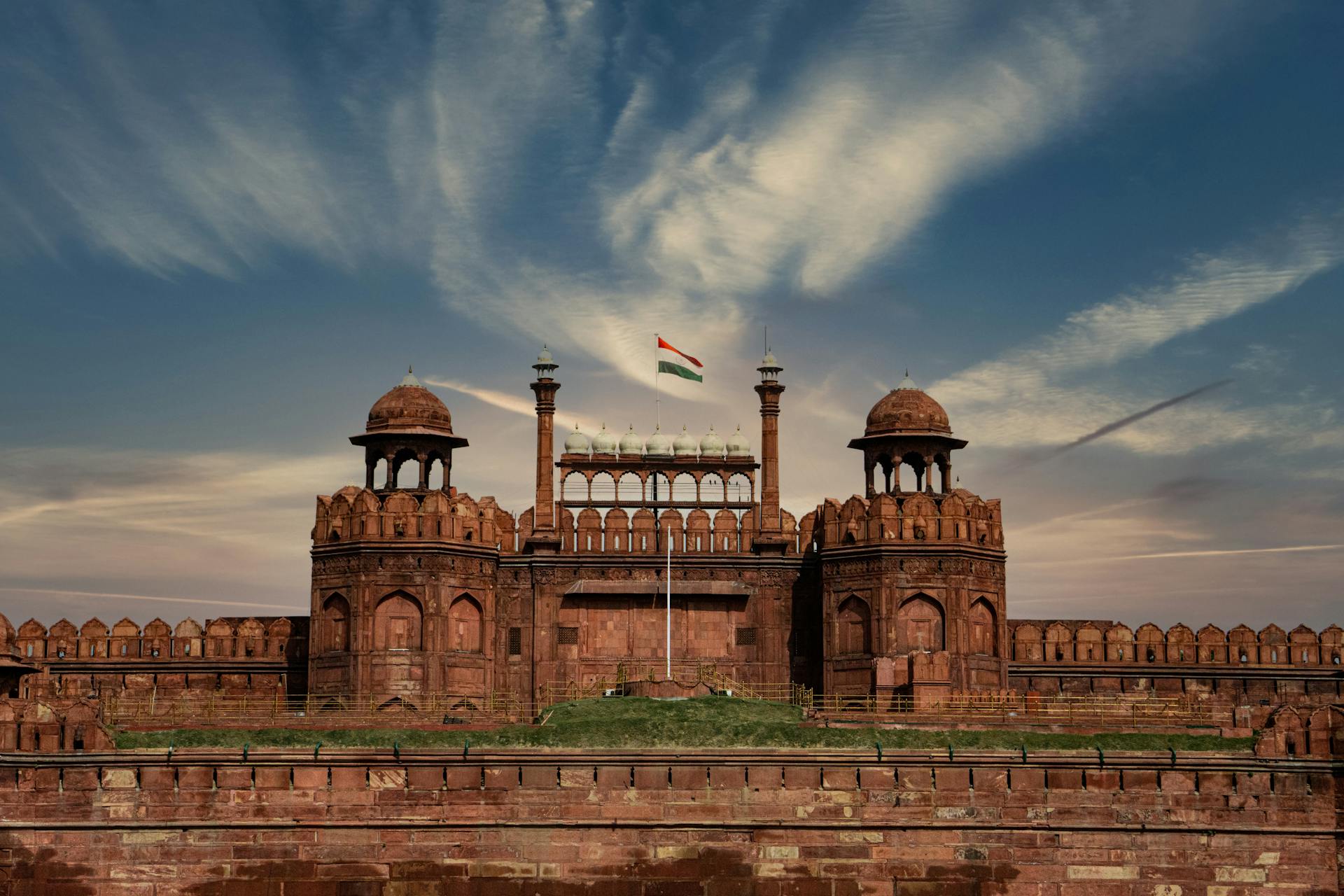
The Delhi Sultanate and the Mughal Empire permanently altered India’s architecture, art, and government. Our famous monuments from the Mughal era are the Red Fort, Fatehpur Sikri, and the Taj Mahal.
Colonial Rule and Independence
British colonisation used India’s resources but brought contemporary infrastructure. Leading actors in the freedom fight, like Mahatma Gandhi and Subhas Chandra Bose, brought India’s independence on August 15, 1947.
2. India’s Geography
Different Sceneries
• Rising among the highest mountains in the world, the northern Himalayas feature Kanchenjunga and Nanda Devi.
• Fertile ground fed by the Ganges, Yamuna, and Brahmaputra rivers makes up the Indo-Gangetic Plain.
• Deserts: Rajasthan’s Thar Desert highlights India’s parched beauty.
• India’s coastlines, which stretch more than 7,500 km and include beaches in Goa, Kerala, and Tamil Nadu,
• Tropical paradises are the Andaman and Nicobar Islands as well as Lakshadweep.
Climate Zones
India’s climate offers varied weather conditions, from the alpine cold in the north to tropical monsoons in the south.
Biodiversity Hotspots
India boasts four hotspots for biodiversity: the Sundaland, the Himalayas, the Western Ghats, and the Indo-Burma area. Here, species such as the Bengal tiger, Indian elephant, and snow leopard find paradise.
3. Diversity in Culture
Arts and Architecture
India’s artistic creations include the finely carved Khajuraho, Mughal miniatures, tribal art, and Warli paintings. The architecture ranges from the classic rock-cut temples in Ellora to contemporary wonders like the Lotus Temple.
Dress code
Every area emphasises different fashion trends. Popular traditional attire is sarees, salwar kameez, dhotis, and turbans.
Traditional Crafts
India is known for its traditional crafts, including pottery (blue pottery from Jaipur), textiles (Banarasi silk, Pashmina), and jewellery-making (Meenakari and Kundan styles).
4. Indian Languages
Language Variability
There are 22 planned languages in India; English and Hindi are official languages. Other often-used languages are Bengali, Tamil, Telugu, Marathi, Kannada, and Gujarati.
Literature
From Kalidasa’s Sanskrit masterpieces to modern English books by Salman Rushley and Jhumpa Lahiri, India has produced widely praised literary creations.
5. Cuisine:
A Gastronomic Paradise with Regional Delights
Regional Foods
• North Indian:kebabs, butter chicken, and biryanis.
• South Indian curries derived from coconut, idli, and dosas.
• East Indian: Momos, mustard-flavored seafood, and desserts include sandesh.
• West Indian cuisine consists on Parsi foods, pav bhaji, and fiery curries.
Street Meal
The street cuisine of India is a myth. Pani puri, chaat, vada pav, and samosas tantalise taste buds all around the nation.
Drinks and Spices
Its cuisine depends heavily on Indian spices such as cardamom and turmeric. Popular drinks include lassi, chai (tea), and filter coffee.
6. India’s Tourism Scene
Famous Landmarks
• A symbol of unceasing love and a UNESCO World Heritage Site, Taj Mahal
• Palaces of Jaipur comprise the Amber Fort and Hawa Mahal.
• Varanasi is a spiritual centre on the Ganges banks.
Travel Inspired by Adventure
• Trekking in the Himalayan mountains.
• Running wildlife safaris in Ranthambore and Kaziranga.
• Goa’s and the Andaman Islands’ water sports.
Health Travel
Leading wellness tourism worldwide with yoga retreats, Ayurvedic treatments, and meditation centres is India.
7. Modern Advancements and Economy
Agriculture
India boasts one of the highest rates of rice, wheat, and spices; over half of the population works in agriculture.
Industry Development
Industries include IT, drugs, and automotive manufacture have positioned India as a major player in world economy.
Startups and Ideas
Companies such Flipkart, Zomato, and Ola are becoming well-known worldwide from India’s vibrant startup scene.
8. Festivals and Celebrations
Festivals Nationwide
• Diwali is the festival of lights.
• Holi: Festive of Colours.
• Celebrated with parades and cultural festivities, Independence Day
Local celebrations
• Durga Puja is observed in West Bengal.
• Tamil Nadu : Pongal
• Assam : Bihu
9. India’s Global Contribution
• Designed for awareness and health, yoga and meditation are practiced all over.
• Launched missions including Chandrayaan and Mangalyaan by the Indian Space Research Organisation (ISRO).
• Science and Technology: Software, medical, and environmentally friendly energy sources.
10. Obstacles and the Future
Current Difficulties
• Income difference and poverty.
• Pollution and environmental concerns are major issues.
• Access to education and healthcare.
The Coming Future
Together with improvements in technology and governance changes, India’s demographic dividend presents a bright future picture for the country.
Conclusion
Every nook of India exposes a fresh aspect of its character; this country is a nation of countless stories. It is a country unlike others because of its mix of old knowledge and new invention. India provides an amazing trip whether your interests are in its rich history, varied culture, or amazing scenery.