Dream location for adventurers, nature lovers, and animal aficionados is Serengeti National Park in Tanzania. Celebrated for its unmatched diversity and breathtaking scenery, Serengeti is where nature tells her most amazing stories. Serengeti provides an absolutely magnificent experience, whether your attraction is the well-known Great Migration or the calm settings sprinkled with famous acacia trees.
Everything you need to know about visiting Serengeti National Park—including its history, best attractions, travel advice, and must-know specifics to make your trip unforgettable—will be covered in this all-inclusive book.
Serengeti National Park: An Overview
Location and Proportionalism
Serengeti National Park, which covers more than 14,750 square kilometres and is situated in northern Tanzania, is among the biggest and most famous animal sanctuaries in Africa. It links to the northern Maasai Mara Reserve of Kenya and the southeast Ngorongoro Conservation Area.
History and Significance
Serengeti, which was first opened in 1951, was named a UNESCO World Heritage Site 1981. The name of the park comes from the Maasai term “Siringet,” which means “endless plains.” The amazing width of wide savannas, undulating hills, and dispersed trees defining the area is exactly captured in this account.
Wildlife Highlights
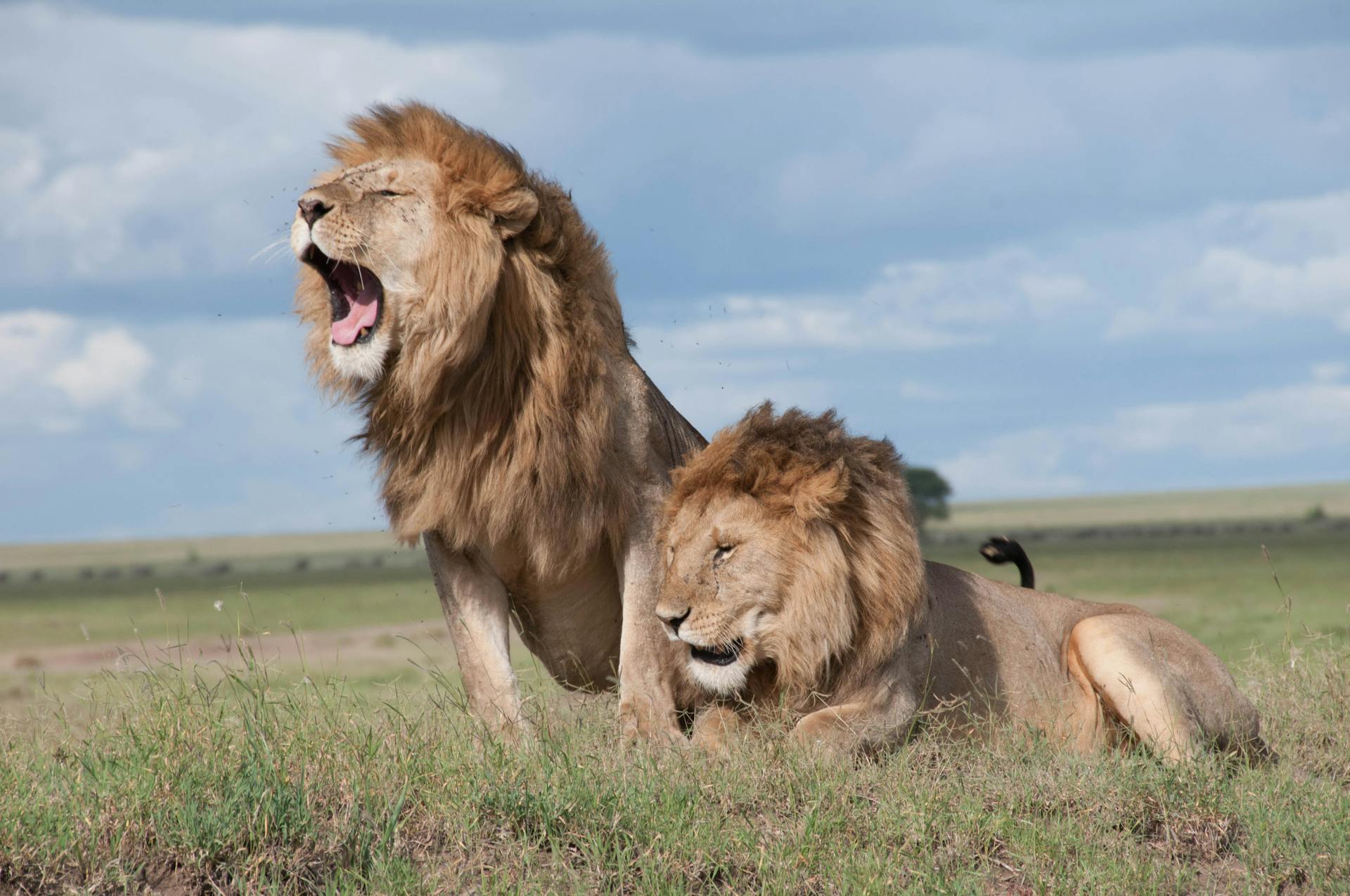
Serengeti ranks among Earth’s most varied ecosystems. Millions of wildebeests, zebras, and gazelles travel the plains in search of better pastures during the Great Migration, which is its most well-known draw-on. Predators including lions, cheetahs, and crocodiles complement these herds to produce an exciting and dynamic display of wild life.
Highlights of Serengeti National Park
1. The Great Movement
Comprising roughly 1.5 million wildebeests, 200,000 zebras, and numerous gazelles travelling in a circular path between Serengeti and the Maasai Mara, the Great Migration is arguably the most well-known wildlife occurrence in the world. Important viewing schedules:
a. Calving season in the Ndutu area runs January to March.
b. River crossings between June and July at Grumeti and Mara rivers.
c. October to November: The herds travel south once more.
2. Serónera Valley
Considered the centre of Serengeti, Seronera Valley presents first-rate year-round sight of wildlife. With leopards, lions, and cheetahs regularly seen among the riverine settings, this predator hotspot is one of several.
3. Rivers Grumeti
Renowned for stunning river crossings during the Great Migration, Grumeti River also hosts massive Nile crocodiles. Here visitors may see amazing predator-prey interactions.
4. Moru Kopjes
A photographer’s dream come true and a rare ecological highlight of the Serengeti are these old granite outcrops. Together with giving sweeping views of the plains, they give lions, leopards, and rhinos a home.
5. Lobo Valley
Lobo Valley, a less-crowded jewel in the northern section of the park, is ideal for viewing elephants, giraffes, and migratory herds from July through November.
6. Springs, Bologonja
These rich springs provide a peaceful haven and draw a variety of animals. Particularly appreciative of the vivid avian life found here are bird buffs.
7. Pool for Retina Hippo
This pool, which is in the Seronera neighbourhood, attracts dozens of hippos for collecting. For many guests, seeing these enormous animals interact and play is a highlight.
Activities Worth Pursuing in Serengeti National Park
1. Game Drives
The basic Serengeti experience is game drives. Early morning, evening, or full-day safaris—these trips provide unmatched chances to see the Big Five (lion, leopard, elephant, buffalo, and rhinoceros) and other animals.
2. Hot Air Balloon Adventures
A hot air balloon safari offers an amazing perspective of the huge grasslands of the Serengeti. Usually finishing with a champagne breakfast in the wild, these early-morning rides
3. Travelling for Culture
Talk to Maasai people to discover their customs, way of life, and relationship to the ground. Many trips visit nearby towns.
4. Travelling Safaris
Guided walking safaris let you explore the Serengeti on foot, therefore fostering a closer relationship with wildlife. These safaris track birdlife and concentrate on lesser flora and animals.
5. Views of Birds
Serengeti, home of more than 500 bird species, is a birdwatcher’s dream land. Search for species include secretary birds, Fischer’s lovebird, and Kori bustard.
The ideal time to visit Serengeti National Park
a. June to October’s dry season
Safaris take place most at this season since animals gather near water sources and are more easily seen. The Great Migration river crossings are also best seen during the dry season.
b. November through May: Wet Season
Although less congested, the wet season presents great birdwatching chances and rich greener surroundings. Given that predators are quite active during the calving season, which runs January through March, it is especially enticing.
How might one reach Serengeti National Park?
a. By Flying
Flying into Kilimanjaro International Airport (JRO) close to Arusha is the most practical route to Serengeti. From there, Seronera Airstrip or other smaller airstrips inside the park offer domestic flights.
b. Via Road
Serengeti lies around seven to eight hours’ driving from Arusha. Although this trip is long, it provides the opportunity to pass via other sites including Ngorongoro Crater and Lake Manyara.
Where on Serengeti National Park should one stay?
a. Premium hotels
1. High-end Four Seasons Safari Lodge boasts panoramic views, spa treatments, and infinity pools.
2. Offering first-rate luxury lodging with customised safari experiences, Singita Grumeti
b. Temporary Camps
1. Serengeti Under Canvas: Mobile encampment based on the Great Migration.
2. Lemala Camps are well-known for their comfort and clos ness to important animal habitats.
c. Midrange Choices
1. Excellent mix of comfort and cost at Kubu Kubu Tented Lodge.
2. Centrally placed Seronera Wildlife Lodge offers quick access to the park.
d. Budget locations for campsites
1. Nyani Campsite: Excellent for those on a budget but with little conveniences.
2. Another reasonably priced choice with amazing views is Pimbi Campsite.
Essential Travel Advice for Serengeti National Park
Essentials of Packing
a. Neutral colours for light, airy clothes.
b. Strong, pleasant walking shoes.
c. Sunscreen; sunglasses; a wide-brimmed cap.
d. Binoculars and a top-notch camera.
e. Insect repellant and malaria prevention.
Safety and Welfare
a. Bring a first-aid kit and some basic meds.
b. Keep yourself hydrated and yourself against the strong sun with sunscreen.
c. Use the advice of your guide to guarantee safety around wildlife.
Park Regulations
a. Driving off-road is forbidden in order to safeguard the ecology.
b. Keep always a safe distance from animals.
c. Steer clear of supporting wildlife.
Visa and entry criteria
a. Entering Tanzania most visitors need a visa. You may apply either online or upon arrival.
b. Make sure your passport runs at least six months.
Sustainable Travel in Serengeti
Serengeti, a delicate ecosystem, gains much from environmentally friendly travel policies. Here is how you may help:
a. Select eco-friendly camping and lodging.
b. Minimise waste and avoid single-use plastics.
c. Honour regional customs and values.
d. Contribute to credible organisations to support environmental projects.
Frequently Asked Questions
1.Is Serengeti safe for visitors?
Serengeti is indeed usually safe for visitors. Always follow the directions of your guide and keep inside assigned zones.
2. How many days are enough for Serengeti?
It is advised to spend at least three to five days exploring several parts of the park and totally savouring the experience.
3. What is the Cost of Serengeti Safari?
The duration, kind of lodging, and activities affect the cost. Safaris normally go from $200 to $1,000 daily per person.
4. Could I see Serengeti on a bigger Tanzania trip?
Surely! A well-rounded Tanzanian journey generally combines Serengeti with Ngorongoro Crater, Lake Manyara, and Zanzibar. Set off a trip to Serengeti National Park to see the beauties of nature unadulterated. Serengeti offers an experience you will appreciate always, whether your pursuit of the Great Migration or just appreciation of the savanna’s grandeur. Plan sensibly, fly sensibly, and get ready for lifetime memories!