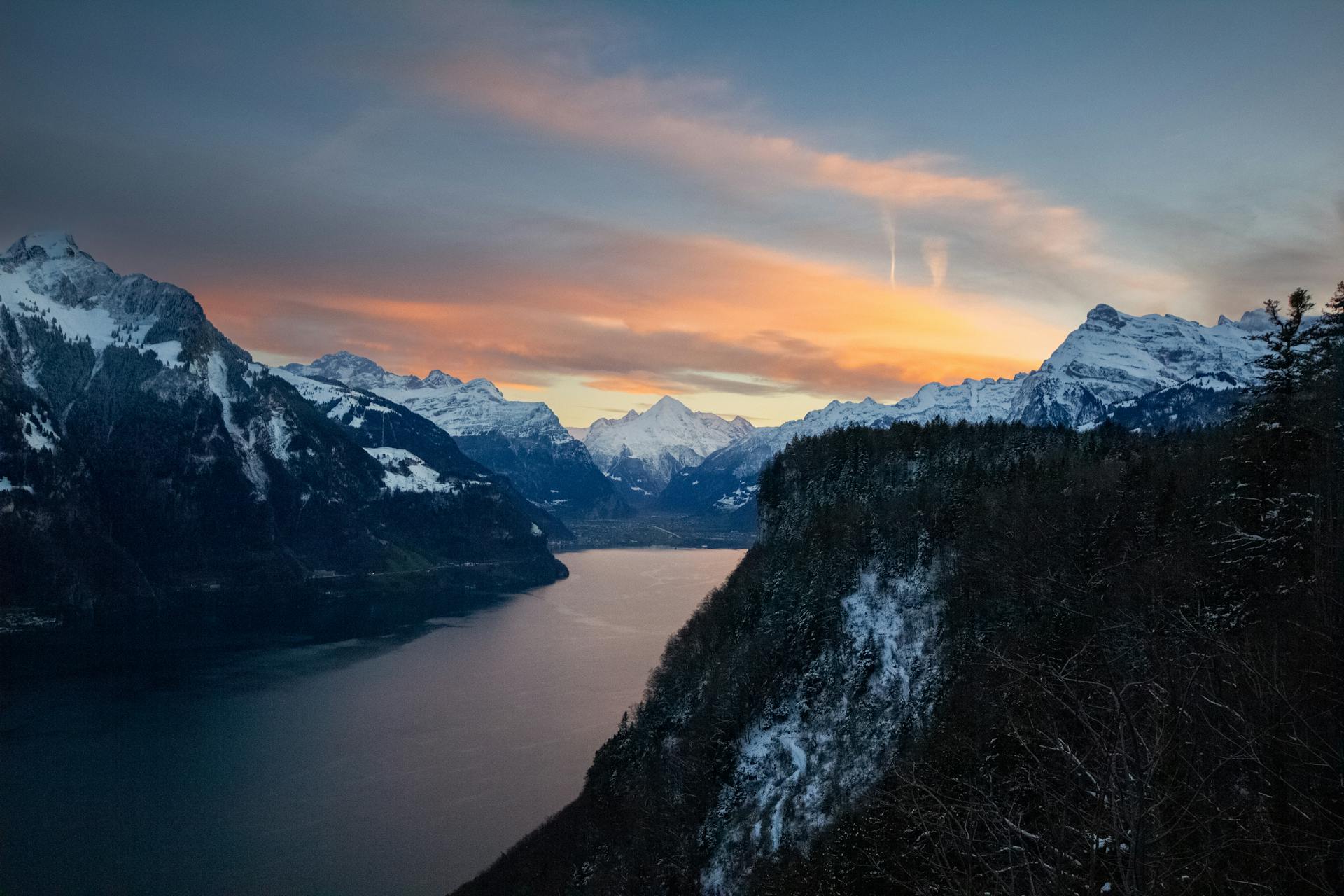
Travellers from all around the world have long been enthralled with the Swiss Alps. Adventurers, nature lovers, and culture vultures alike dream of this area because of its amazing views, little alpine towns, and great range of activities. From famous mountains to secret treasures, cultural encounters, and the ideal seasons to visit, this blog explores what you need know to maximise your trip to the Swiss Alps.
1. Top Swiss Alpine Destinations
a. Zermatt and the Matterhorn
Nestled at the base of the famous Matterhorn, Zermatt is a lovely, car-free town. widely referred to as the “Toblerone Mountain” because of its resemblance to the chocolate’s logo, this triangle peak is among the most widely photographed mountains in the world.
Important activities:
1. Gornergrat Railway: Take this cogwheel train for panoramic views of the Matterhorn and environs.
2. Hiking: Trail like the Five Lakes Walk offer breathtaking views of the Matterhorn reflected in glistening clean alpine lakes.
3. Skiing and Snowboarding: Thanks in part to the Theodul Glacier, Zermatt provides year-round skiing and snowboarding.
b. Interlaken and the Jungfrau Region
Interlaken, tucked between Lake Thun and Lake Brienz, is the entrance to the Jungfrau Region, home of famous mountains including Jungfrau, Eiger, and Mönch.
Important endeavours:
1. Ride Europe’s best railway to Jungfraujoch for breathtaking views of glaciers top of Europe.
2. Adventure Sports: Popular pursuits here are adventure sports including bungee jumping, canyoning, and paragliding.
3. Discover these amazing glacier-fed waterfalls tucked away inside a mountain. Trümmelbach falls.
c. St. Moritz
St. Moritz is a byword for grace and luxury. Twice the Winter Olympics have this resort town hosted; it is well-known for its elegant surroundings and first-rate skiing.
Important activities:
1. Skiing: World-class slopes here draw skiers from all over.
2. Winter games including polo and cricket take place on the frozen Lake St. Moritz.
3. Discover the untainted beauty of Engadine Valley.
d. Lucerne, Mount Pilatus
Lucerne offers cultural diversity together with alpine appeal. There are amazing chances for outdoor activities close by Mount Pilatus and Rigi.
Important activities:
1. Cross this old wooden bridge decorated with flowers in Chapel Bridge.
2. Mount Pilatus is reachable from the steepest cogwheel train in the world.
3. Boat rides around Lake Lucerne will help you to appreciate the surroundings.
2. Uncovering Swiss Alpine Treasures
a. Vals
Architect Peter Zumthor is well-known for designing hot spas in this little community. Surrounded by calm mountains, this is ideal place for leisure.
b. Lauterbrunsen Valley
Often referred to as the “Valley of 72 Waterfalls,” Lauterbrunnen is a refuge for environmentalists. See the Trümmelbach Falls and the Staubbach Falls.
c. Aletsch Glacier
A UNESCO World Heritage Site, the Aletsch Glacier boasts the biggest size among the Alps. Visitor safe exploration of its frozen territory is made possible by guided trips.
3. Highlights for Seasonal Travel
a. Winter
December through February the Swiss Alps become a winter paradise. Popular pursuits are skiing, snowboarding, and alpine town Christmas markets.
b. Spring
The snow starts to melt from March to May, exposing rich green meadows strewn with wildflowers. Hiking and exploring lower-altitude regions is perfect timing.
c. Summer
Outdoor activities such mountain biking, paragliding, and hiking find perfect timing between June and August. Perfect for swimming and picnics are the mountain lakes.
d. Fall
September through November gives less traffic and vibrant greenery. Visiting alpine towns and taking in harvest celebrations at this calm period is great.
4. Swiss Alpine Food
The cuisine in the Swiss Alps is a wonderful blend of sophisticated Swiss cuisine and substantial mountain food. Don’t overlook these classic meals:
1. Melted cheese presented with potatoes, pickles, and onions makes Raclette.
2. A Fondue is a communal meal of melted cheese presented alongside bread for dipping.
3. Often a side dish is a crispy potato meal called Rösti.
4. Swiss Chocolate: Without savouring handmade chocolate, no journey to Switzerland is whole.
5. Doable Advice for Seeing the Swiss Alps
1. Transportation: The Swiss Travel System provides perfect links by boat, bus, and train. For unrestricted travel, think about purchasing a Swiss Travel Pass.
2. Accommodations: There is something for every budget, from opulent resorts to little chalets and mountain cabins.
3. Packing: Given the mountains’ fast-changing temperature, layered clothes is absolutely vital.
4. Language: Spoken in the several Swiss Alpine areas are German, French, Italian, and Romansh. In tourist destinations, English is rather common.
6. Ecological Travel in the Alps of Switzerland
Leading worldwide in sustainability is Switzerland. Many Swiss Alpine sites give environmental measures top priority:
1. Green Transport: Electric trains and buses help to lower carbon emissions in transportation.
2. Energy Efficient Lodging: Many hotels have certifications for their environmental policies, which reflect energy-efficient lodging.
3. Nature Conservation: Efforts at nature conservation aim to minimise environmental impact and safeguard biodiversity.
The Swiss Alps present an unusual fusion of cultural diversity, adventure, and natural beauty. This area offers an amazing experience whether your interests are in climbing famous mountains, enjoying Swiss cuisine, or visiting little alpine communities. Your trip across the Swiss Alps will leave memories to treasure for a lifetime if you plan well and have an adventurous attitude.
Make today your travel date and let the magic of the Swiss Alps to envelop you—where every angle reveals a postcard-perfect scene.