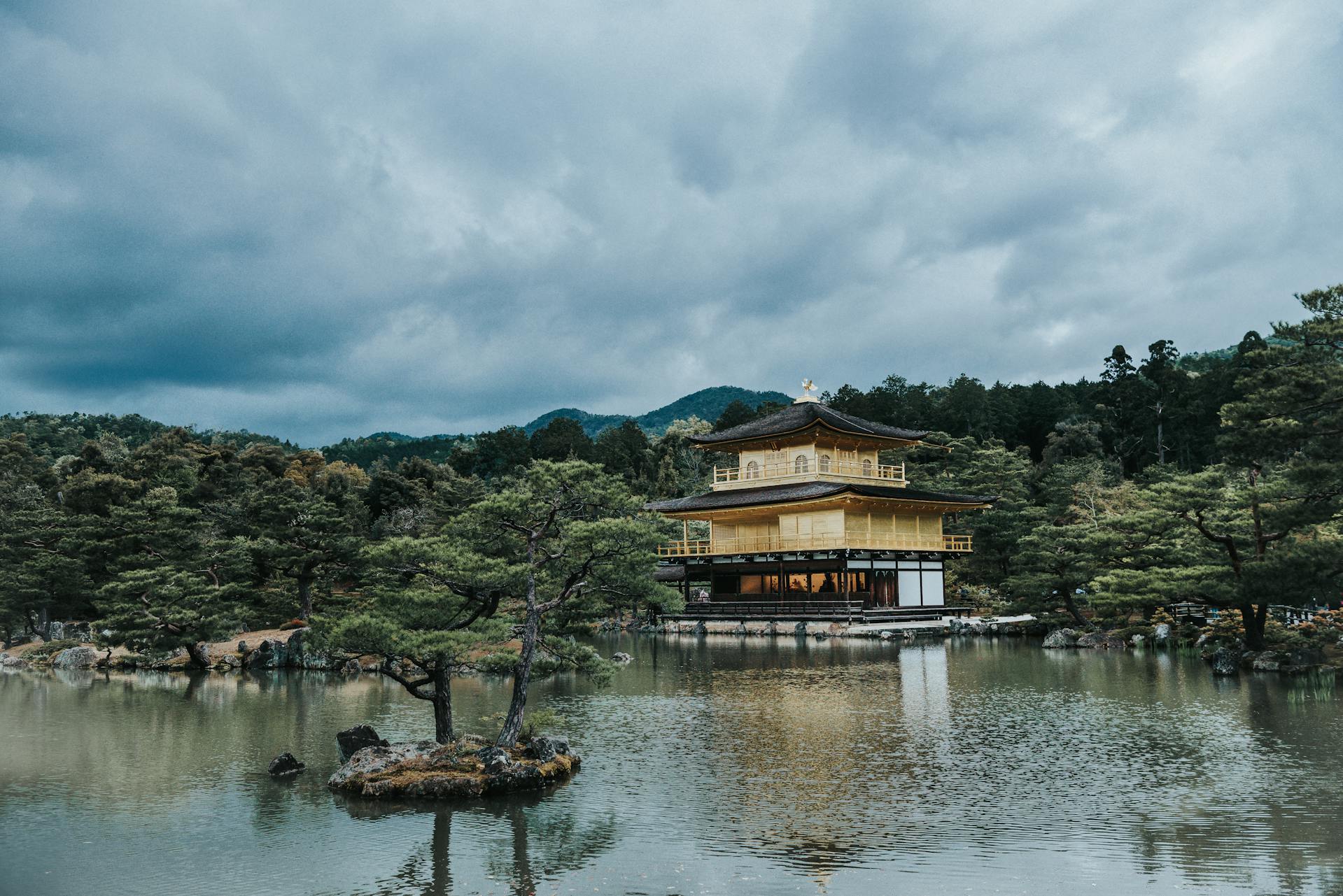
Tucked in Kyoto, the cultural centre of Japan, Kinkaku-ji (Golden Pavilion) is a glittering monument to Zen architecture and evidence of Japan’s rich past. Kinkaku-ji, with its elegant golden front and calm surrounds, attracts millions of people annually. We explore the background, design, cultural relevance, and travel advice for this UNESCO World Heritage Site in our all-inclusive book.
The background of Kinkaku-ji
Ancestral roots of the Golden Pavilion
Originally constructed in 1397 as Ashikaga Yoshimitsu, the third shogun of the Muromachi period, Kinkaku-ji was first a retirement palace. Following his father’s direction, Yoshimitsu’s son turned the villa into a Zen shrine. This deed turned Kinkaku-ji into a site of spiritual resonance.
Damage and Rebirth
Though Kinkaku-ji is great, its path has been difficult. Over the Onin War in the fifteenth century, the temple was burned down multiple times. Its most notorious damage, nevertheless, came from a novice monk setting it ablaze in 1950, therefore destroying the original construction. Reconstruction in 1955, the modern structure faithfully reflects the original design and features extra gold leaf decorations to accentuate its attractiveness.
Architectural Wonder Pieces
The Three-tiered Design
Three separate styles are blended in Kinkaku-ji’s architecture, each shown in its three stories:
a. Reflecting the Heian palace architecture, the first level Shinden Style has white plaster walls and wooden pillars. Via the open sliding doors, visitors can view sculptures of the historical Buddha and Yoshimitsu.
b. Designed in the samurai household style, this second floor Buke Style features a picture of Kannon Bodhisattva on gold leaf.
c. Third Floor: Chinese Zen Hall Style: Representing spiritual enlightenment and purity, this floor is totally gilded in gold leaf topped with a phoenix emblem.
The Golden Facade
Using gold leaf extensively has symbolic as well as aesthetic value. Reflecting sunlight, it produces an entrancing glow that reflects in the nearby pond to represent harmony between heaven and earth.
The Encompassing Gardens
Mirror Pond (kyoko-chi)
Among the most famous aspects of the temple is its golden reflection on Mirror Pond. Little islets and boulders abound in the pond, each positioned deliberately to symbolise Buddhist cosmology.
The Path to Zen
Designed in the Muromachi period style, the strolling garden encourages guests to really appreciate the wonders of the natural world. Along the trails you will come across gently trimmed pine trees, stone pagodas, and peaceful water features all meant to inspire contemplation and tranquilly.
Cultural Relevance
A Messenger of Impermanence
Kinkaku-ji’s presence is a sobering reminder of impermanence, a central precept of Zen Buddhism, even if its golden façade points to luxury. Its past of ruin and rebuilding reflects the fleeting character of life.
Influence on Japanese Craftsmanship
Many pieces of Japanese art and literature have been produced under inspiration from Kinkaku-ji. From Yukio Mishima’s book The Temple of the Golden Pavilion to ukiyo-e woodblock prints, its legacy goes much beyond mere physical existence.
Advice for a visit to Kinkaku-ji
Optimal Times to Travel
a. Spring: The cherry blossoms provide the temple’s golden tones a beautiful counterpoint.
b. Autumn creates a stunning backdrop from vivid red and orange foliage.
c. Winter: Kinkaku-ji becomes a magnificent scene from a sprinkling of snow.
Reaching There
From central Kyoto, Kinkaku-ji is rather easy to reach. The most practical solutions consist in:
a. Kyoto City Bus #101 or #205 from Kyoto Station.
b. Taxi: Perfect for groups or those running on little time.
Visitor Behaviour
a. Respect the Rules: Steer clear of touching the buildings and follow approved paths.
b. While photography is welcome, the use of tripods and drones is forbidden.
Attractions Not Far Away
a. Short stroll from Kinkaku-ji, this Zen temple is well-known for its rock garden.
b. A UNESCO World Heritage Site famed for its Omuro cherry trees is Ninna-ji Temple.
c. Students should not miss Kitano Tenmangu Shrine, which honours the god of knowledge and scholarship.
Inside Advice
a. Plan your visit early in the morning or late in the afternoon to help to avoid crowds.
b. Look for seasonal festivities such illumination evenings or tea ceremonies.
c. Charms and postcards with Kinkaku-ji abound in the temple’s shop.
Kinkaku-ji is a portal to grasp Japan’s rich cultural and spiritual legacy, not only a stunning building. The Golden Pavilion provides an amazing experience regardless of your interests—architectural, historical, or just a moment of quiet. Thoughtful planning of your trip will help you to really enjoy the ageless appeal of this famous shrine.
Set off for Kinkaku-ji and let its golden splendour inspire you.