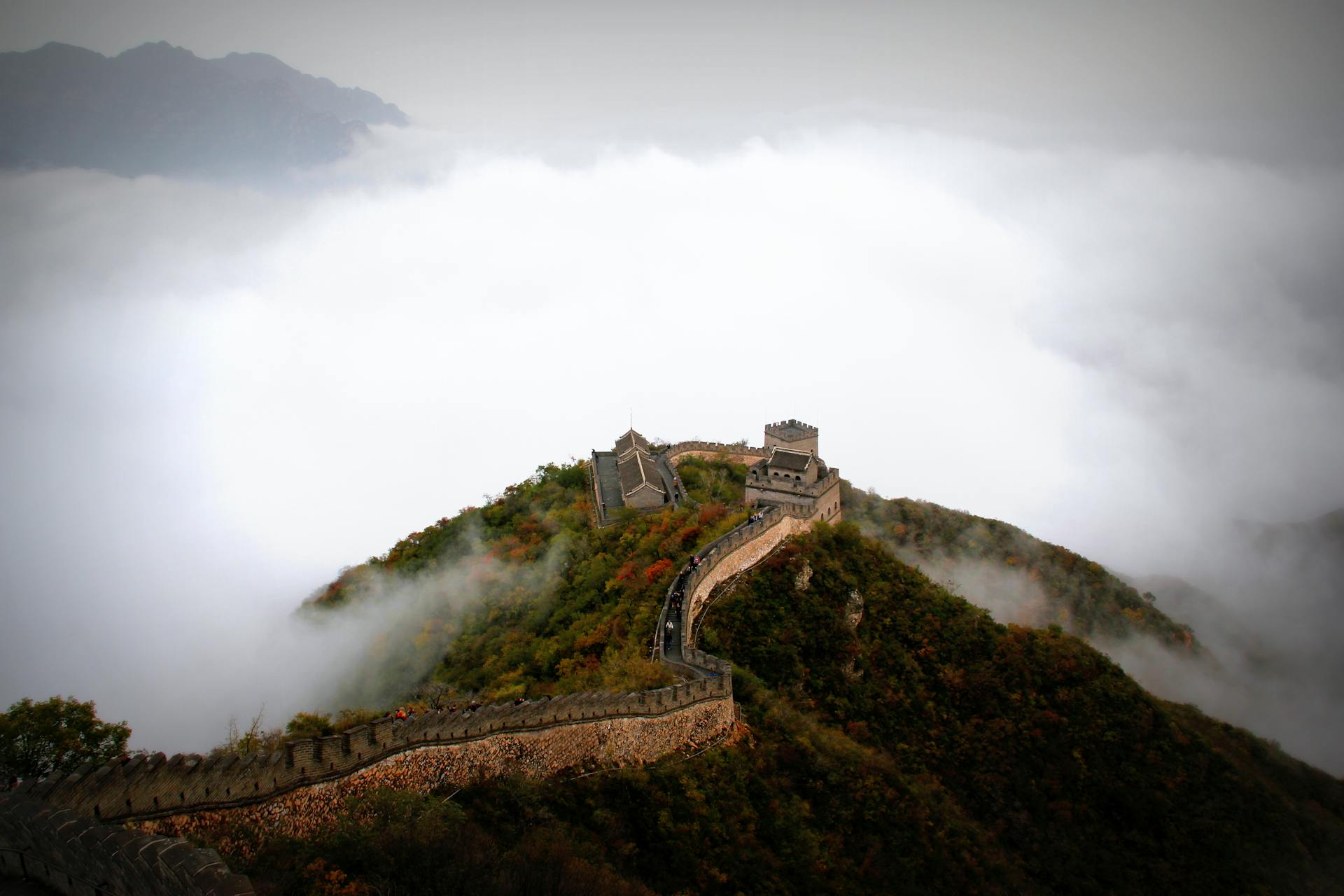
Among the most famous sites on Earth is China’s Great Wall. Covering thousands of miles over northern China, this historic stronghold attracts millions of tourists annually. Travellers from all throughout the world should definitely visit this site for its amazing views, rich legacy, and cultural relevance. From its intriguing past to useful travel advice and insider recommendations, this thorough book will cover all you need to know to schedule your visit.
An Interpretive History of the Great Wall
China’s Great Wall is a sequence of walls and fortresses erected over centuries by several dynasties, not a one continuous wall. Early on in the Warring States era, around the seventh century BC, its building started. Still, the most famous parts of the wall were constructed during the Ming Dynasty (1368–1644).
Mostly, the wall was built to guard against northern nomadic tribe incursions. It also became over time an emblem of Chinese power and unification. Now a UNESCO World Heritage Site, the Great Wall is evidence of the creativity and will of past Chinese civilisation.
Great Wall Highlights
1. Badaling
About eighty kilometres (50 miles) northwest of Beijing, the most often used and easily accessible section of the Great Wall is the Badaling one. Restored to its former splendour, it is perfect for first-time guests and families since it boasts broad paths and handrails.
2. Mutianyu
Popular among those looking for a more quiet experience, Mutianyu is well-known for its breathtaking surroundings and few tourists. For an exciting downslope, this part provides cable cars, a chairlift and even a beanie ride.
3. Jinshanling
About 125 kilometres (78 miles) from Beijing lies Jinshanling, a largely rebuilt area. Hikers choose this often because it provides a combination of wild and rebuilt areas with amazing views of the surrounding mountains.
4. Simatui
Simatai provides a difficult climb with original constructions for individuals who seek adventure with steep hills. It’s also the only part open for nighttime excursions, offering a different viewpoint under the moon.
5. Jiankou
Popular among photographers and skilled hikers, Jiankou is distinguished by its dramatic and untamed look. Less accessible though, it need for cautious planning.
Optimal Visit Times
Though the Great Wall is open all year, the best periods to visit are fall (September to November) and spring (April to June). The temperature is mild in these months, and the landscape is especially breathtaking with blooming flowers or vivid autumn colours.
Advice Based on Season
a. Spring: Take in moderate weather and blossoming flowers.
b. Summer: Get ready for more people and heated conditions.
c. Autumn brings lovely scenery and milder temperatures.
d. Winter: The magical and calm environment created by the snow-covered wall is quite appreciated.
How to Get There
From Beijing,
a. Badaling: Either a bus from Deshengmen Bus Station or a high-speed rail from Beijing North Railway Station to Badaling Station.
b. Mutianyu: From Dongzhimen, hire a private car or direct bus.
c. Jinshanling: For ease, book a private car or a guided trip.
d. Simatai: Plan a whole-day vacation combining with a visit to Gubei Water Town.
e. Jiankou: Best organised with a local guide; needs a private car.
What to Bring?
Pack the following basics to guarantee a pleasant and interesting trip:
a. Relaxable walking shoes
b. Sunscreen and glasses.
c. Many water and food.
d. A cap or umbrella to guard from the sun.
e. In cooler months, warm clothes.
f. A smartphone or camera to save memories
Insider Advice
a. Visit early in the morning or late in the afternoon to avoid throngs at Peak Hours.
b. See a Guide to learn more about the wall’s background and importance.
c. Select the appropriate part. Choose a section that fits your degree of fitness and interests.
d. Stay Overnight: To have leisurely exploration of the wall, think about sleeping at a nearby guesthouse.
e. Respect the Environment: Steer clear of trash and respect all policies to help to protect this ancient monument.
Nearby Attractions
Improve your trip by researching neighbouring attractions:
a. Gubei Water Town: Charming historical settlement Gubei Water settlement is close to Simatai.
b. Ming Tombs: Situated close to Badaling, 13 Ming emperors’ burial location is Ming Tomb.
c. Beijing: Take in famous sites including Tiananmen Square and the Forbidden City.
Offering something for everyone, the Great Wall of China is a bucket-list site This ancient wonder will astound you regardless of your interests—history, extreme hiking, or just seeking an amazing experience. Using the advice in this guide and appropriate preparation will help you to maximise your trip to one of the wonders of the planet.